What homeowners can safely handle
Small surface cleanups and quick drying after a minor spill are reasonable DIY tasks. If you can control the water source, ventilate the area, and dry clean the space, you can start the process. In New York apartments and row houses, quick action can prevent further damage, especially after a rainstorm or a burst pipe that’s caught early.
Use towels or a shop vac to remove standing water, set up fans to promote air movement, and keep the area well ventilated. If you’re dealing with water that has soaked into drywall or insulation, or if you see discoloration spreading, pause and call in restoration specialists. The risk is not just moisture; it’s hidden damage that can affect structure and air quality.
When to call a restoration specialist
If water covers a large area, you notice swelling or soft spots in walls or floors, or you smell a musty odor that won’t go away after a day, that’s a cue to contact us. In New York City homes, rapid response matters because moisture can travel through framing and reach unseen spaces. A professional assessment helps you avoid pulling out and replacing materials that might still be salvageable.
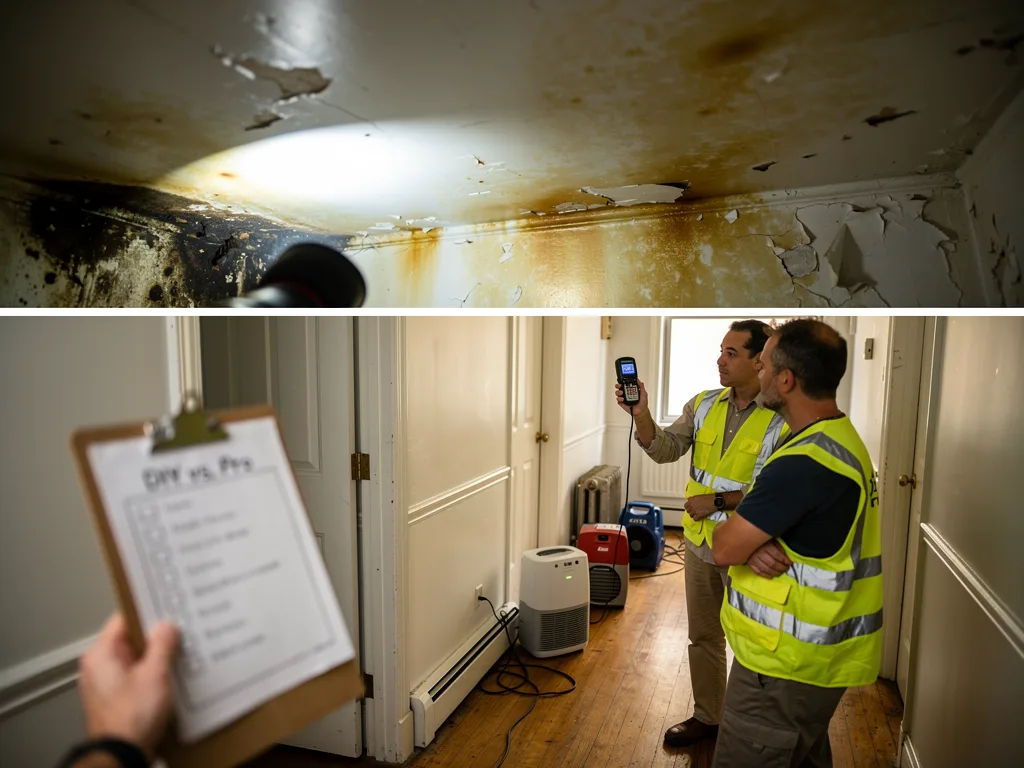
Our team will arrive with moisture meters, infrared cameras, and controlled drying equipment to pinpoint moisture paths. We’ll explain what we find in plain language, provide an plan of action, and work with you to minimize disruption to your home life while restoring the space.
What you should expect during a professional assessment
We start with a thorough walk-through of the affected area and nearby spaces. We map moisture levels, compare readings, and identify the best path to restore without overhauling rooms unnecessarily. After the assessment, you’ll get a clear, itemized plan with practical steps and a timeline that fits your schedule.